

The Benefits of Heat Pump Dryers
A heat pump dryer recycles hot air and utilizes the condenser system to evaporate the moisture. It's a brand new technology in North America, but it has many advantages over traditional vented clothes dryers.
It helps families save money and prevents exhausting air from the house to the outside, which standard dryers do. It's also ventless, which means it eliminates the possibility of fire.
Efficient
Consider a model with a heat pump when you're looking for drying. They use a refrigerant and compressor to transfer warm air to and out of the dryer laundry room. They then recycle the air. This allows them to dry clothes with far less energy than traditional electric dryers.
heat pump tumble dryers heating elements to create heat, and they dump that heat and moisture into a vent system that exhausts the contents to the outside. This process is a waste of energy and leaves lint in the vents of the dryer that could trigger dryer fires. Heat pump dryers are more efficient and do not rely on resistance heaters or vent systems.
Heat pump dryers use about 28% less electricity than conventional electric dryers, which means homeowners can cut down on their energy costs. Ventless dryers are also ideal for small apartments or homes because they don't require an additional ventilation system. You can even place them in an interior or garage space, and you don't have to worry about cleaning out the dryer vent every six months.
Other features that make dryers with heat pumps a smart choice include an anti-wrinkle cycle, gentle care, and an ad-hoc cycle for jeans that dry denim quickly and evenly. You can also control them with an app for your smartphone. Many models also come with Wi-Fi, allowing you to remotely start cycles and check the energy consumption of your home from anywhere. Some manufacturers, such as Miele have models that operate on a 120-volt, 15 amp circuit, which makes them perfect for older homes.
Versatile
Laundry day can be a hectic time for families with large families, but with the right equipment, the chores can move through the process more smoothly. 10kg dryers with heat pump are one of these appliances, providing a powerful, efficient way to manage laundry demands for all of the household members.
Instead of exhausting hot air out the vent, as traditional dryers do heat pump models recycle that air through another radiator circuit. The condensation that is produced is used to evaporate any remaining water in the load of clothing. This helps it dry quicker than a traditional dryer at the same temperature.
The result is a dryer that consumes less energy, thereby saving you money on your utility bills. It also creates fewer greenhouse gases and reduces indoor humidity levels for a healthier environment. Since they operate at lower temperatures, they're more secure than traditional vented dryers, which can release harmful pollutants that can trigger respiratory issues.
Heat pump dryers don't require ventilation and can be placed throughout your home. This includes garages and basements. This makes them a good choice for homes that have open floor plans or little space for laundry facilities and they're also less difficult to maintain than traditional vented dryers since you don't have to clean out the vents frequently for safety reasons.
They are compatible with solar systems. This lets you increase the amount of renewable energy you can use. Because they consume less power than electric resistance dryers, heat pump dryers are more suitable for grid power and can be used in homes with smaller electrical panels that might not be able to handle an energy-consuming electric resistance dryer.
Soft on Fabric
Heat pump technology lets you dry your clothing in a way that is more efficient, cost-effective and easy. Instead of making use of electricity, they make use of refrigerants to heat the air. They then reuse it to save energy. It also helps prevent fabric damage and extends the lifespan of your clothing.
It has a less damaging impact on fabrics and is more beneficial for the environment. This makes it a great option for families that are environmentally conscious. Reduced energy consumption also results in lower utility bills and a reduction in greenhouse gas emissions.
These dryers are easy to maintain. Lint is gathered in an extra tray that you'll have to clear after each cycle. The dryers are equipped with self-cleaning condensers, making them low-maintenance laundry appliances. Dryers with heat pumps are not required to have vents to function, are an excellent option for apartments or condos that aren't able to accommodate gas-powered models.
Heat pump dryers provide an array of drying programs that allow you to get the best results each time. There's a program for everything from delicate fabrics and sportswear to heavier-duty items, and even wool. Some models even come with an express cycle of 40' that gets a small 2 lb load ready to go for the day in just over an hour.
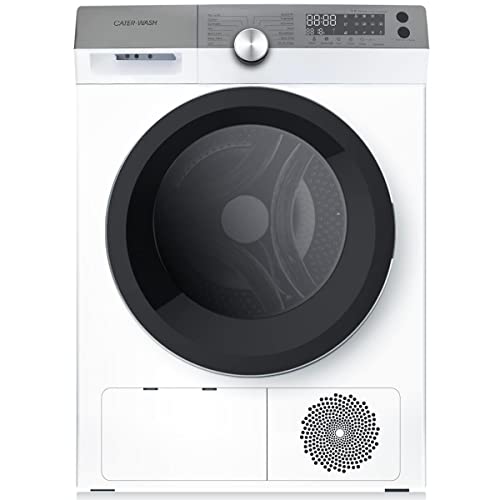
If you suffer from allergies, look for an Allergy Care programme that reduces dust mites and bacteria that can be found on your clothing, ideal for sensitive skin. And if you have to iron clothes regularly, select the Anti-Wrinkle option to reduce creasing to create neater clothes without compromising on energy efficiency. Heat pump dryers combine advanced technology with gentle drying to create eco-friendly laundry appliances.
Ventless
Heat pump dryers are the most efficient since they do not require a vent. This means that there is no chance of lint accumulation that could cause obstruction to the dryer vent, which could cause fires. There's no need to cut into your wall for the piping as well and you can put your dryer virtually anywhere. This is particularly useful in apartments, where you cannot use a vented drying system.
They tend to dry clothes slower than traditional vented dryers. This is due to the fact that they use cold rather than hot air to dry clothes. Hotter air evaporates more moisture and this means that your clothes are left in the dryer for a longer time.
While the longer drying times are less of a problem for most people, they are a major reason for some consumers to be reluctant to switch to a heat pump dryer. The long drying times are a thing of the past, now that manufacturers have improved the designs.
Other disadvantages of heat-pump dryers is they're not as simple to clean as gas or electric dryers. They require a specific maintenance schedule to ensure that the coils don't get clogged with lint, which can build up and lower efficiency. The dryers also use refrigerants that have high Global Warming Potential (GWP) however the EPA's AIM Act is phasing these substances down and will reduce their GWP.
But, these aren't major concerns when compared to the many benefits that the heat pump dryer offers. Take a look at our ENERGY STAR-certified heat pump dryers if looking for a more eco-friendly alternative to the fossil fuel-fueled dryer. Richard & Son. We offer a wide variety of sizes and features to satisfy your needs and we're always searching for ways to help you save on your energy bills.
Buy Tickets on the internet
A heat pump dryer is a great option for families looking to cut their energy costs and carbon footprint. The initial cost is higher than traditional gas or electric resistance dryers, but the lower operating costs more than compensate the difference. The EPA estimates that heat pump dryers cut down on energy consumption by 40 to 70 percent compared to traditional gas or electric dryers. This means you'll save significant amounts of money on your utility bills every year.
According to the Massachusetts Clean Energy Center, the average family of four who is able to wash 20 loads every week (about five days' worth of clothes) with a conventional gas-powered dryer will save $85. That savings are quickly accumulating and over the course of the life of the dryer, it will save over $900.
Heat pump dryers are more efficient than conventional dryers that vent warm air outdoors. They chill the air, eliminate moisture and then recycle the heat into the clothes drum. That eliminates the need for vents, which can add to your home's cooling and heating costs because you are wasting energy that you spent to bring air in the first place.
Miele offers three residential heat pump dryer models with different prices, ranging from $1,199 to $1,999. All of them meet ENERGY STAR's Most Efficient criteria. They also have smart features that reverse the drum to ensure continuous drying and detect when your clothes are finished so you can add more load without having to reset the cycle (aka PerfectDry). Miele@home lets you set up cycles to start, stop, and receive alerts at the end of each cycle. Dryers also trap lint with two traps: one big enough to be empty after each cycle and another trap that is finer and requires less frequent attention.